How to Choose the Right Modular Kitchen for Your Home
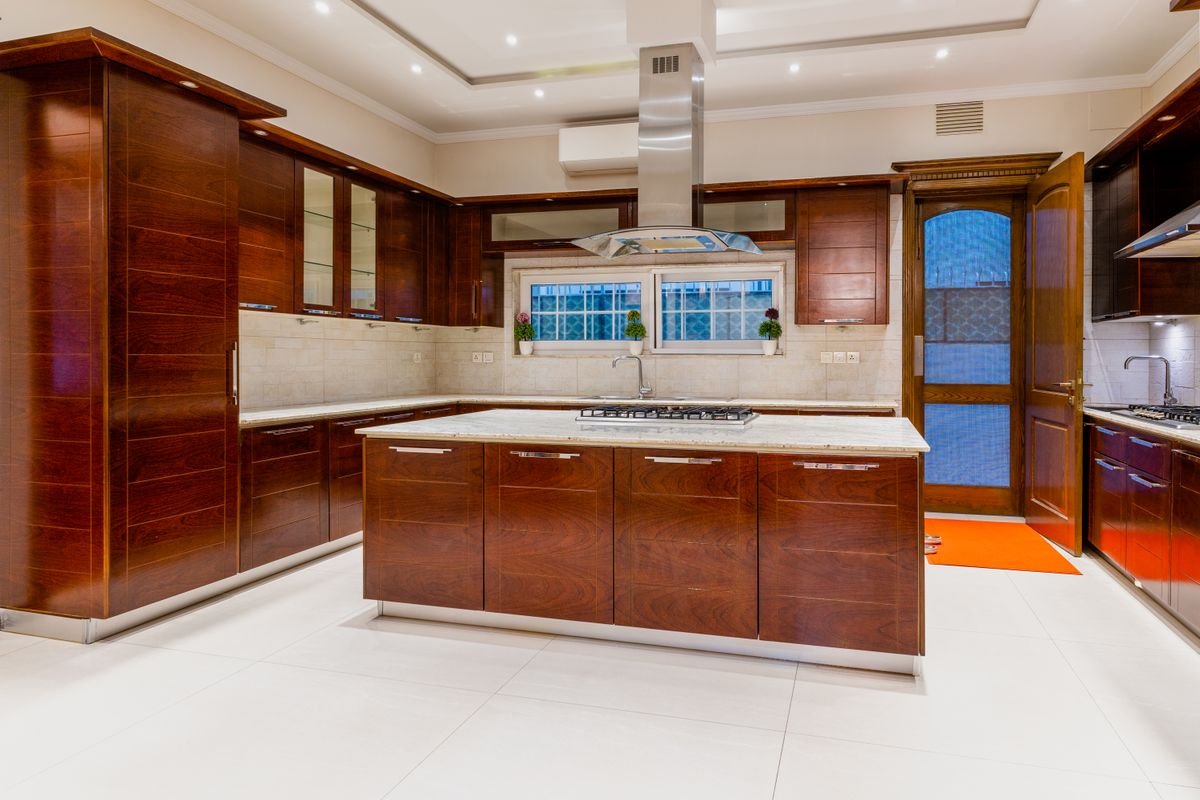
Start with the layout, not the finish. An L-shape suits most Indian kitchens; a U-shape works where three walls are free; a parallel layout suits a narrow room; an island needs at least a metre of clearance on every side, which most flats do not have.
Then the carcass. This is the part nobody sees and the part that fails first. Anywhere water reaches — under the sink, beside the hob — use moisture-resistant ply or HDHMR rather than ordinary MDF. Ask what the carcass is, not just what the shutter is.
Shutters are the visible choice: laminate is the most economical and the most durable against daily wear; acrylic and high-gloss give a reflective, seamless face; matte PU hides fingerprints best. Consider who cleans the kitchen and how often before choosing a high-gloss dark shade.
Hardware decides the daily experience. Soft-close hinges and channels from a brand that gives a written warranty are worth the difference, because a failed channel on a loaded drawer is a repair, not an inconvenience.
Finally, plan the services before manufacture: chimney duct route, hob gas point, water inlet and outlet, and at least two spare power points on the counter.